
"Africa coffee"
16000 article(s) found

Coffee beans from Sao Tome and Principe in Africa have soft and rich flavor characteristics.
Sao Tome and Principe Democratic Republic of Sao Tome and Principe (Sao Tom and Principe), a volcanic archipelago, is the second smallest independent country in Africa and a former Portuguese colony, which did not win its independence until 1975. The equator crosses the archipelago, where the climate is hot and humid, the land is fertile and irrigation is good

Bits and pieces of African coffee beans in China
Coffee originated in Africa and little is known about it. In fact, Africa Ethiopia is the hometown of coffee, producing the best Arabian coffee in the world. Soil, climatic conditions and an altitude of more than 2000 meters above sea level have enabled many African countries to create an ideal environment for the growth of coffee. At present, coffee production in Africa accounts for about 13% of the world's total output, and coffee income is in some African countries.

Do you know which countries in Africa produce coffee? Brief introduction of Coffee producing area in Kenya
Professional coffee knowledge exchange more coffee bean information please follow the coffee workshop (Wechat official account cafe_style) Front Street-Kenya Coffee region introduction to coffee produced in Africa, the flavor is very diverse, the span of flavor spectrum may be the first in the world. Different kinds of coffee not only have their own advantages, but also their flavor is easy to distinguish. Among them, Kenyan coffee belongs to the world-famous coffee, deep.

The main coffee producing area in Africa-Kenya coffee producing area has a sour fruit juice taste.
Professional coffee knowledge exchange more coffee bean information please follow the coffee workshop (Wechat official account cafe_style) front street-African coffee producing area about Kenyan coffee growing areas are concentrated in North Africa, Central and South America, Southeast Asia and northern Oceania. There are about 40 species of coffee plants, but only Arabica, Robusta and Liberica can produce coffee beans with commercial value.

Go deep into Ethiopia, the birthplace of coffee, and experience the coffee flavor of Africa.
African children are still very optimistic when they are in a bad situation. (provided by World Vision Taiwan) Africans are used to baking coffee beans and making coffee to drink. (photo by Eugene) A poor family in East Africa eats Ingera to replenish their strength. (photo by Youni) Local residents grow vegetable seedlings. (courtesy of World Vision Taiwan) Please follow the coffee workshop (Wechat) for professional barista exchange.

Liberian coffee beans, Liberian or large-grained species, native to Liberia in Africa
The Liberian species, the large-grained species, is native to Liberia in Africa, as well as a few countries such as Malaysia. Its cultivation history is slightly shorter than the other two coffee trees. Liberian coffee trees are suitable for growing in lowlands. Its trunk is high and strong, it is 18 meters high, its leaves are large and tough, and its fruits and coffee beans are also very large. Its seed coat is close to the seed kernel and is scarlet when it is mature. The quotation flavor is strong.

Coffee producing countries in the world introduce coffee bean producing countries in Africa
African producing countries 1. Ethiopia Ethiopia Ethiopian coffee is neither strong nor irritating. It is produced in Harald (Harrar), Yega Xuefei (Yirgacheffe), Sidamo (Sidamo), Limu (Limu), Djimmah (Djimmah), Lekempti (Kepa), Kapa and other places. Among them, Harald coffee is the substitute of Ethiopian coffee.

The size of micro-batch coffee beans in Bulongdi, East Africa.
The Republic of Burundi, a small war-torn landlocked country in East Africa, is slightly smaller than Taiwan with a population of about 8 million.

Starbucks Africa Cheetham coffee bean price Cheetham Africa Kitamu coffee how to drink?
Professional coffee knowledge exchange more coffee bean information please follow the coffee workshop (Wechat official account cafe_style) the world's three major coffee estates: African coffee estates and major coffee producing areas of coffee details opposite the company Starbucks, the latest daily selection of iced coffee all use Cheetham beans. Because the style is really distinct, after drinking a few times, I was impressed. According to Starbucks

The story of Kilimanjaro Coffee the unknown secret of Kilimanjaro coffee beans
Professional coffee knowledge exchange more coffee bean information please follow the coffee workshop (Wechat official account cafe_style) front street-Kilimanjaro Coffee introduction Tanzania in eastern Africa, south of the equator, east of the Indian Ocean, the terrain is high in the northwest and low in the southeast, the Rift Valley of East Africa divides into east and west branches from Lake Malawi to its north and south. The Kibo peak of Mount Kilimanjaro in the northeast is 5 above sea level

Delicious Ugandan Coffee Flavor Description Grind Fine Coffee Features Estate Introduction
Ugandan coffee beans have a unique flavor and fragrance, which is very suitable for making Italian and other flavors of coffee. More importantly, Ugandan coffee beans are strictly screened according to international market standards to ensure their high quality and pollution-free characteristics. Africa is home to Arabica and Robusta, two major coffee varieties, while East Africa enjoys a plateau of water and the pearl of East Africa.
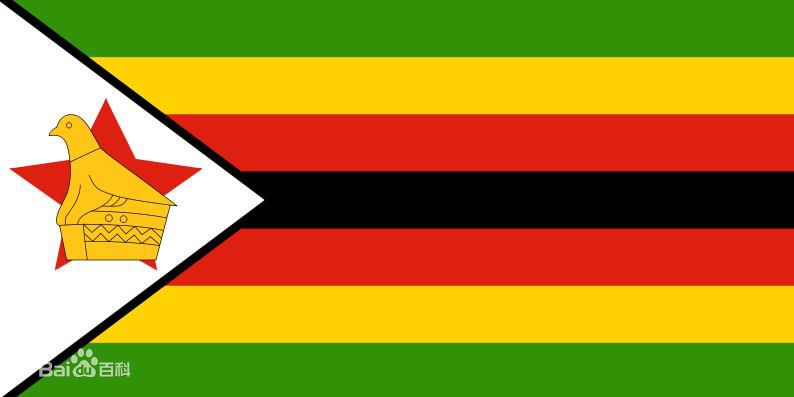
Description of Arabica Coffee Flavor in Africa and Zimbabwe A brief introduction to the origin of African bean Arabica coffee
High-quality Arabica coffee beans cater to the needs of foodies. Coffee cultivation in Zimbabwe began relatively recently, in the 1960s, when farmers in southern Africa set up coffee plantations. Coffee cultivation in Zimbabwe is mainly concentrated in the eastern highlands near Mozambique, mainly by Chimanim

Coffee bean producing area-Africa-Malawi (Malawi)
Well-known representative coffee: Malawi is a small country in southeastern Africa and a landlocked country not near the sea. most of its coffee is grown in the northern plateau, but its production is not large. But although it is not near the sea, it can be seen on the map that there is a very large lake to the northeast of it. It is Lake Malawi, which is also the natural boundary between Malawi and its neighbors.

Coffee flavor differences between Rwanda and Tanzania coffee beans in Africa
When it comes to coffee producing areas in Africa, I believe the first thing you can think of is Ethiopia and Kenya. In fact, in Africa, there are two countries with less famous names that grow good coffee in Rwanda and Tanzania. This time, Qianjie will compare the coffee beans of the two countries to see why Qianjie chose the coffee beans of these two countries. Rwanda is located in Africa

Coffee bean producing area-Africa-Malawi (Malawi)
Well-known representative coffee: Malawi is a small country in southeastern Africa and a landlocked country not near the sea. most of its coffee is grown in the northern plateau, but its production is not large. But although it is not near the sea, it can be seen on the map that there is a very large lake to the northeast of it. It is Lake Malawi, which is also the natural boundary between Malawi and its neighbors.

Coffee feelings of the Sudanese Sudan is located in northeastern Africa
It is no stranger to people to mention coffee. However, if you enter Africa and enter the country of Sudan, you will gradually find that there is an inextricable bond between Sudanese and coffee. Sudan is located in northeast Africa, with an area of about 2.5 million square kilometers, is the largest country in Africa, with a population of more than 25 million. Arabic is the official language of Sudan and English is widely used. Most people believe in Islam. Because the job requires

A rare variety of Liberian species, namely large-grained species, native to Liberia in Africa.
The Liberian species, the large-grained species, is native to Liberia in Africa, as well as a few countries such as Malaysia. Its cultivation history is slightly shorter than the other two coffee trees. Liberian coffee trees are suitable for growing in lowlands. Its trunk is high and strong, it is 18 meters high, its leaves are large and tough, and its fruits and coffee beans are also very large. Its seed coat is close to the seed kernel and is scarlet when it is mature. The quotation flavor is strong.

What are the flavor and taste characteristics of coffee beans from the Mengano Cooperative in Africa [Congo]? Lake Chev, Congo
Professional coffee knowledge exchange more coffee bean information please follow the coffee workshop (Wechat official account cafe_style) Africa [Congo] Mengano cooperative coffee beans flavor and taste characteristics? How do the bourbon coffee beans taste in Lake Cheever, Congo? The Democratic Republic of the Congo is located in Central Africa, which runs through the north-central part of the equator. the local forest cover is about 58.7%, making it the seventh hottest in the world.